.svg)
Investors assume the middle class is shrinking. But Africa is a strong market for beverage producers and Asian consumers are helping luxury brands thrive.
Investments that focus on rising mass affluence have the potential to benefit as half the world’s population becomes part of the middle class by 2025.


“We're not trying to figure out data points for the next quarter, we're trying to understand how they're going to create wealth. Ignore the short-term noise, because when you invest for the long-term, you see it through. That's how you create a proven international equity fund."

World economic forces are changing. Until the 1980s, productivity and efficiencies of emerging economies had been stifled by government regulation and intervention. These forces have been gradually giving way to less intervention and more personal control over income, savings, investments, productivity and capital formation. And although those economies’ wealth per capita is far below that of developed economies, the growth rate of gross domestic product is growing at a faster pace. The factors, including the notion that half the world’s population will be considered middle class by 2025, are leading to mass influence Income is rising, affluence is growing and the demand for consumer (essential and luxury) products will continue to rise as well. Because of the durability of mass affluence, any negative impacts affecting its growth due to market or economic cycles will be muted, to some degree.
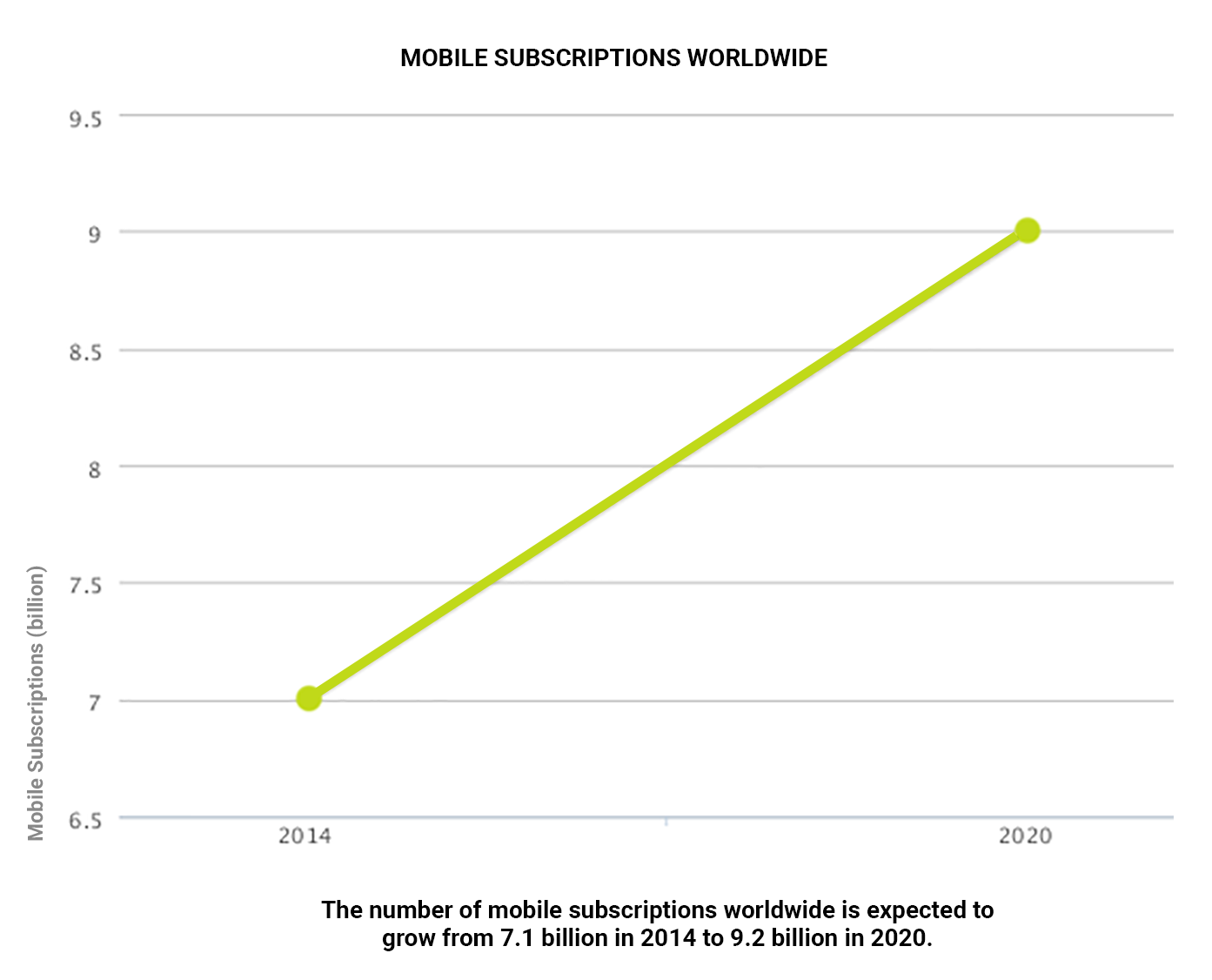
At no time in history has so much data on so many people been collected, curated and stored by technological outlets. The collection and storage of data are new technology opportunities that are disrupting structural shifts toward areas such as cloud computing and big data. Companies are just beginning to see the potential of collecting and acquiring so much data and where the growth opportunities will be. The services they provide and the way people do business will likely be transformed by lowering costs, reducing errors, reducing complexity and providing faster services. Companies that build storage and big data analysis capabilities will help other, related companies, such as mobile device makers or internet providers, benefit from the increase in usage and need for data. Investors will potentially benefit from these innovations as productivity and a transformation of business ideas grow.

For companies that fit within one of the four themes: “We’re trying to assess their competitive position, their position on the value chain, barriers to entry and things of that nature. Overwhelmingly, we’re focused on that fundamental analysis, and deciding whether or not that company is appropriate to be owned by this fund or not. A separate decision is what is the value that we’re prepared to own it at.”
Restructuring can have both positive and negative connotations. For individual workers, the idea may mean downsizing, but from a corporate standpoint, restructuring can also mean fortifying against competitive and regulatory forces. Because of greater pressures and competition in a globalized market, companies are looking for long-term benefit through restructuring efforts, even if there is pain and upheaval in the short term. Investors have an opportunity during a restructuring to invest in companies that are modernizing or charting a new future for their businesses. This can often mean new opportunities for growth within established markets or open up into new areas not yet explored by a particular company. Company analysis can help investors distinguish between forward-thinking restructuring plans or plans that have little to no impact.
Companies have a number of motives for restructuring, including:
• Response to regulatory pressures
• Increased market share in a crowded marketplace
• Expansion from a national to global presence
• To capture potential gains from outsourcing nonessential functions
• To adapt to a changing business environment





The world’s population is aging and demographic trends continue to tip the balance between young and old. In the United States, for example, the Census Bureau says baby boomers, or those people born from World War II to 1965, are turning 65 at about a rate of 10,000 people per day. Also, people are living longer. As the demographic shift skews to an older population, consumption habits change. The combined effects of an older and longer-living population will necessarily create the need for more services and companies that cater toward healthcare, pharmaceuticals, biotechnology and discretionary healthcare spending such as vision and hearing-related services. In OppenheimerFunds' opinion, these industries will be part of the economic innovations occurring at the corporate level. Innovation means competitive advantage and companies that can maintain an edge, especially at a global level, will benefit, not only their own future prospects, but investor’s portfolios, as well.
"Many companies today are multinational. They have customers worldwide and they generate a significant portion of their revenues outside their home country. That's why we judge companies on the merit of their businesses, not the location of their headquarters."